Product Catalog
Featured Products
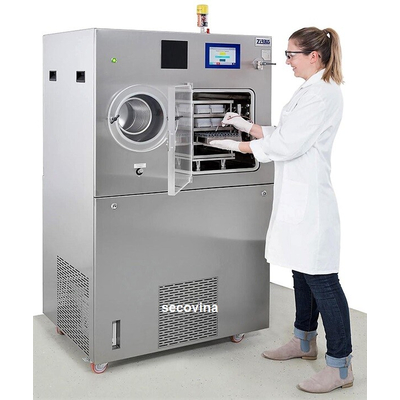
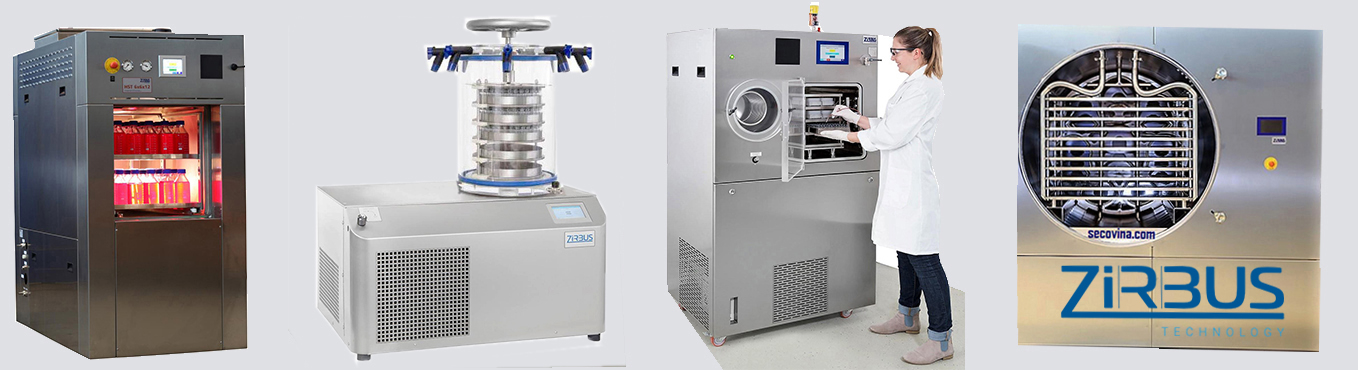
Laboratory Freeze Dryer
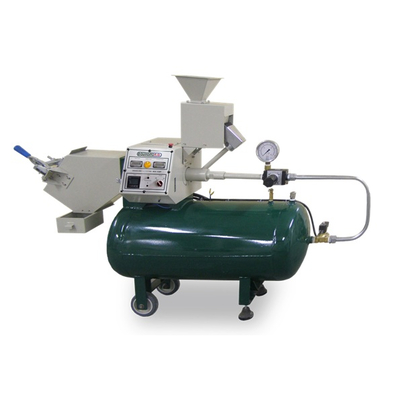
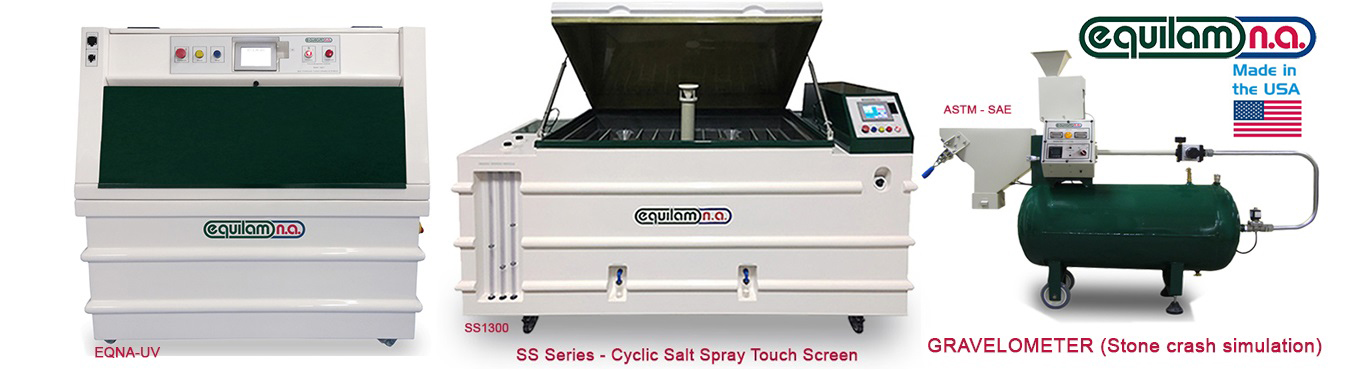
Gravelometer / Stone Chip Resistance Test
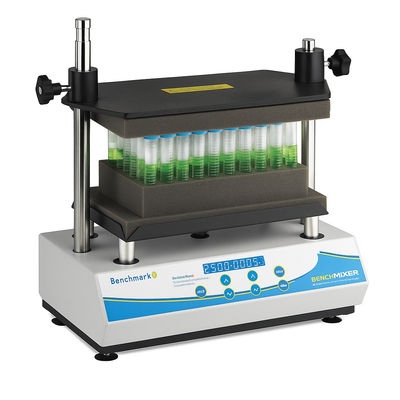
Multi-Tube Vortexer
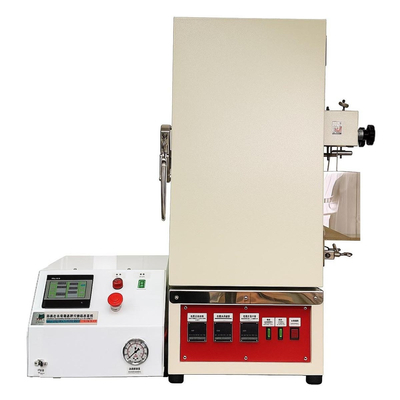
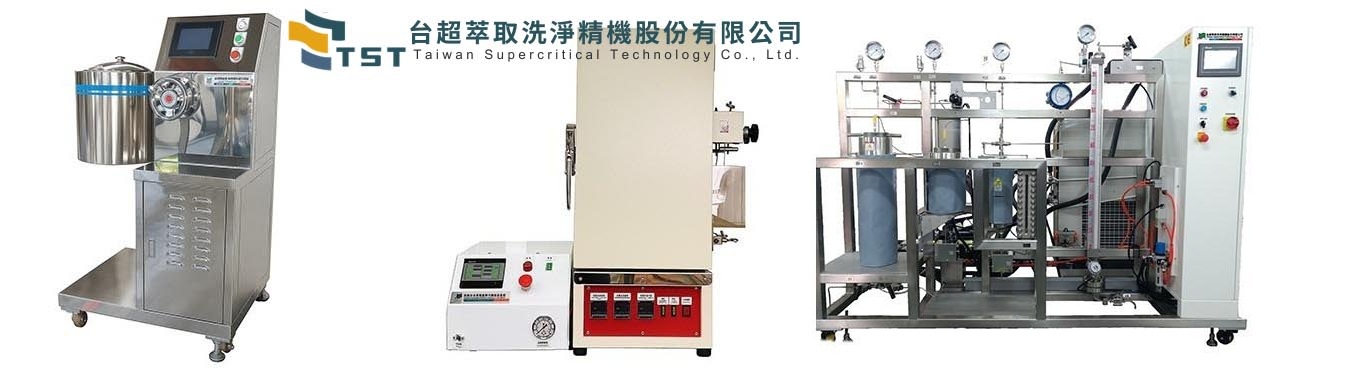
Supercritical Fluid Extraction
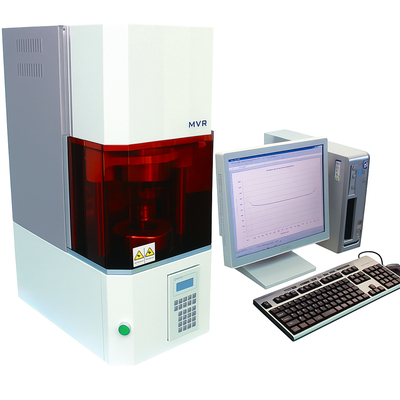
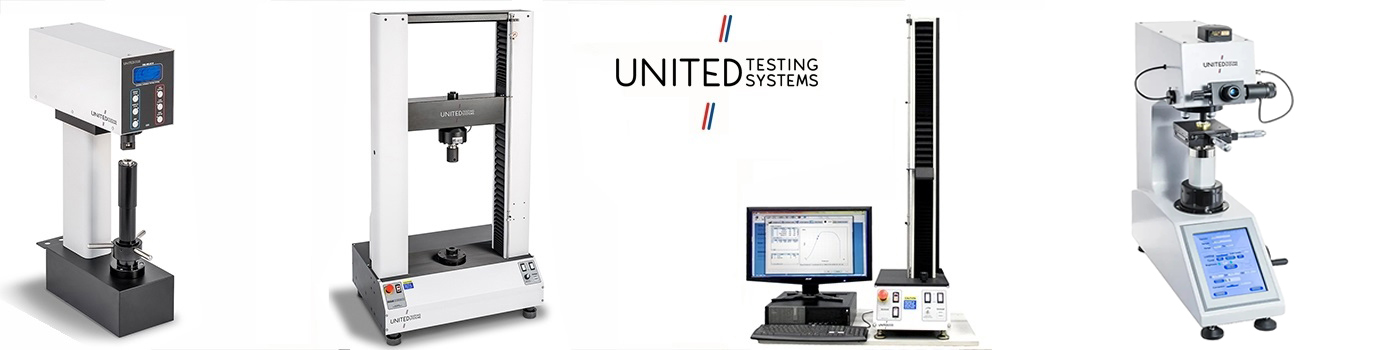
Mooney Viscometer
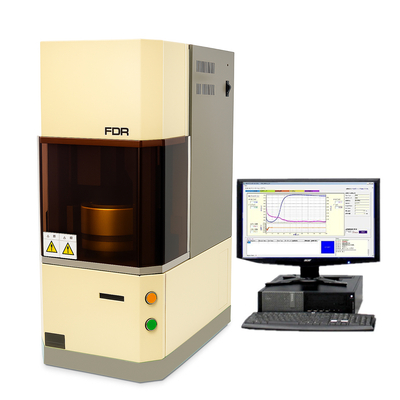
Flat Die Rheometer (FDR)

Cyclic Corrosion Test CORR Auto
Các ứng dụng của CO2 siêu tới hạn

Fanpage
Website Traffic
- Đang online 0
- Hôm nay 0
- Hôm qua 0
- Trong tuần 0
- Trong tháng 0
- Tổng cộng 0
NEWS
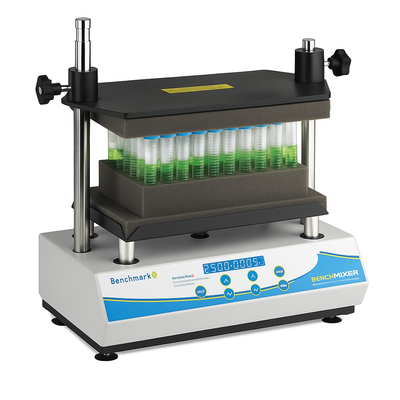
Multi-Tube Vortexer
The Multi Vortex Mixer Model BV1010-E from Benchmark Scientific (USA) is the perfect solution. Designed to vortex multiple samples simultaneously without manual intervention, this instrument significantly reduces labor while improving productivity and consistency in the laboratory.
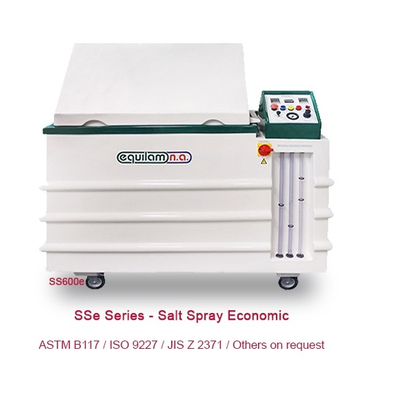
ISO 9227
ISO 9227 specifies the apparatus, test solutions, and procedures for conducting three types of salt spray corrosion tests: • NSS – Neutral Salt Spray • AASS – Acetic Acid Salt Spray • CASS – Copper-Accelerated Acetic Acid Salt Spray These tests are used to assess the corrosion resistance of metallic materials, with or without protective coatings.
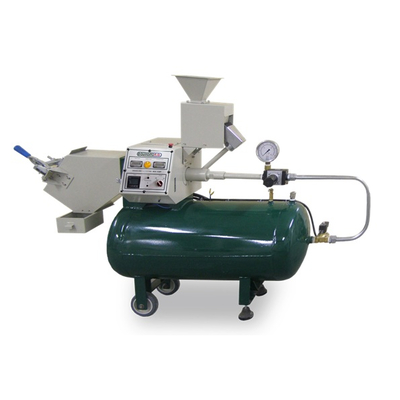
SAE J400
SAE J400 simulates gravel impact to assess the chip resistance of coatings using a Gravelometer. Gravel is blown with compressed air onto the panel, then tape lifts the detached coating. Results are evaluated by chip counting or visual comparison with reference images and reported in a number–letter format (10–0 & A–D).
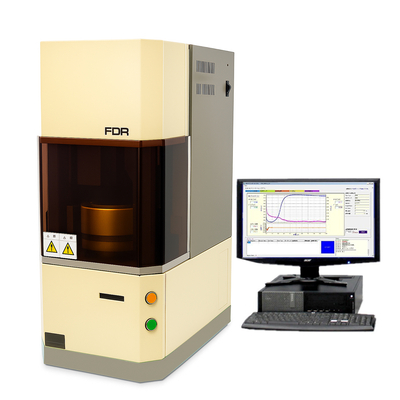
ISO 6502
ISO 6502 – Rubber — Guide to the use of curemeters:
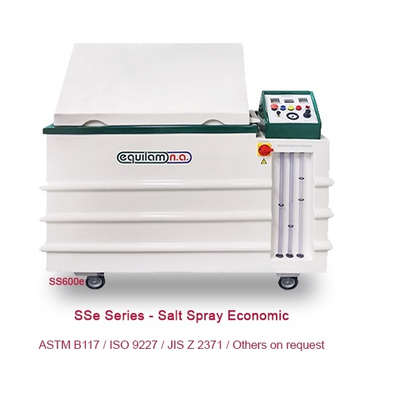
ASTM B117
ASTM B117 : Standard Practice for Operating Salt Spray (Fog) Apparatus:
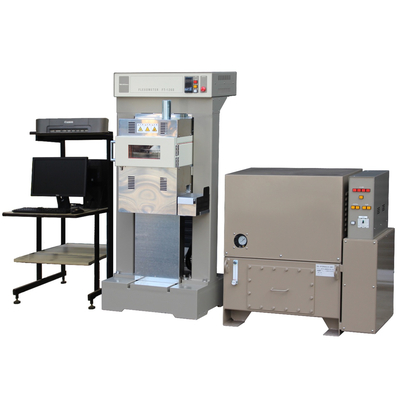
ASTM D623
ASTM D623 – Rubber Property: Heat Generation and Flexing Fatigue in Compression
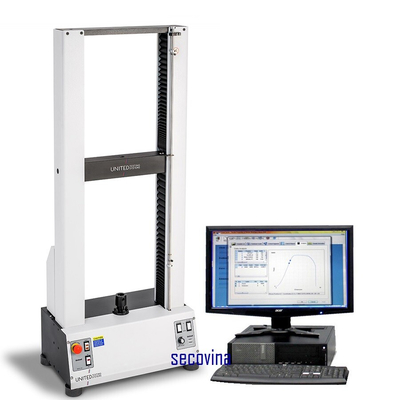
ISO 37
ISO 37 – Rubber, vulcanized or thermoplastic — Determination of tensile stress-strain properties
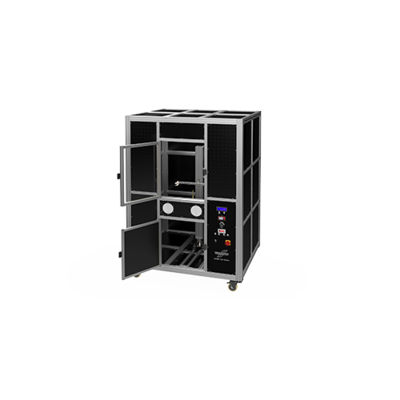
UL 2596
UL 2596 specifies test methods for evaluating the thermal and mechanical performance of battery enclosure materials used in electric vehicles (EVs), in order to assess their resistance to lithium-ion battery thermal runaway. The test scope reflects typical thermal and mechanical impacts from a thermal runaway event, such as high temperature, high pressure, ejected materials, and mechanical impact.
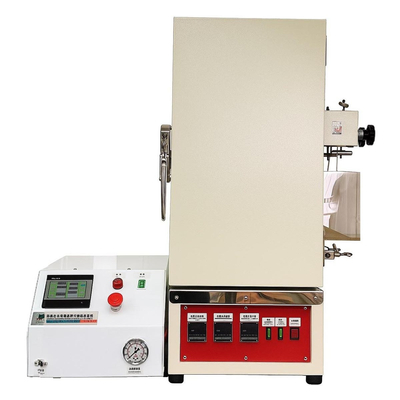
Supercritical CO2 Extraction
Supercritical CO2 Extraction
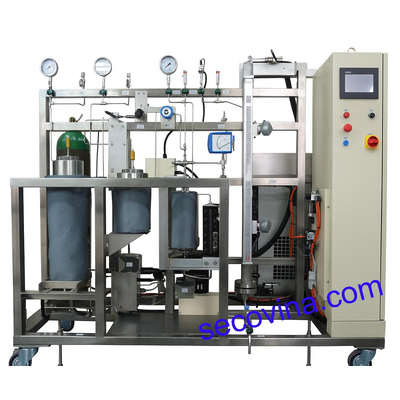
Supercritical CO₂ – Advances in Green Chemistry
Supercritical CO₂ – Advances in Green Chemistry
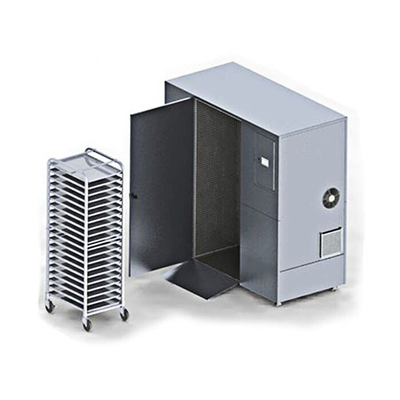
Heat Pump Dehydrators
Heat Pump Dehydrators
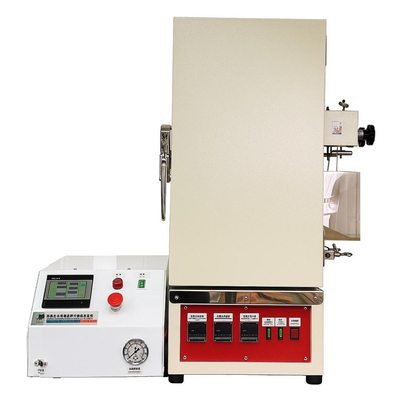
Fractionated extraction of saponins from Vietnam ginseng using supercritical CO2, ethanol
Fractionated extraction of saponins from Vietnam ginseng using supercritical CO2, ethanol
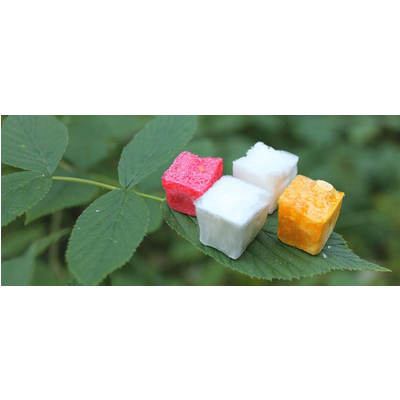
Aerogel - Materials of the century
Aerogel is a synthetic porous ultralight material derived from a gel, in which the liquid component for the gel has been replaced with a gas. The result is a solid with extremely low density and low thermal conductivity. Nicknames include frozen smoke, solid smoke, solid air, solid cloud, blue smoke owing to its translucent nature and the way light scatters in the material. It feels like fragile expanded polystyrene to the touch. Aerogels can be made from a variety of chemical compounds.
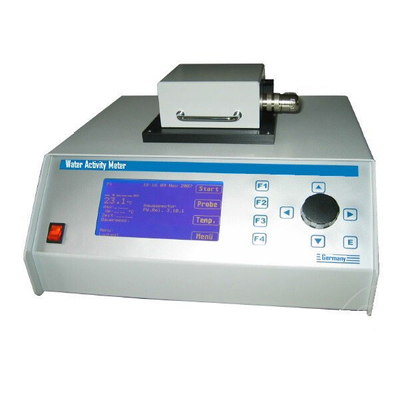
Water Activity (aw) in Foods
Water Activity (aw) in Foods
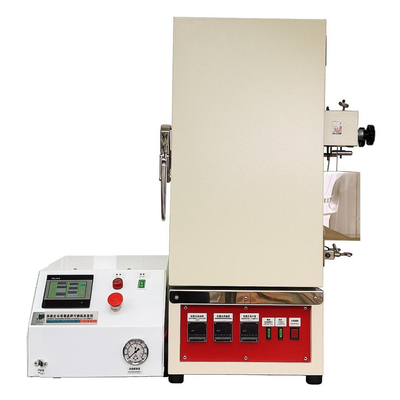
Selective Extraction of Fatty Acids and Carotenoids from Microalgae by Supercritical Fluid Systems
Selective Extraction of Fatty Acids and Carotenoids from Microalgae by Supercritical Fluid Systems Spirulina maxima, a type of microalgae, is of great interest to the cosmetic, food, and pharmaceutical industries due to its chemical composition. The blue-green cyanobacterium is a source of carotenoids, which are rich in Vitamin A and act as powerful antioxidants.
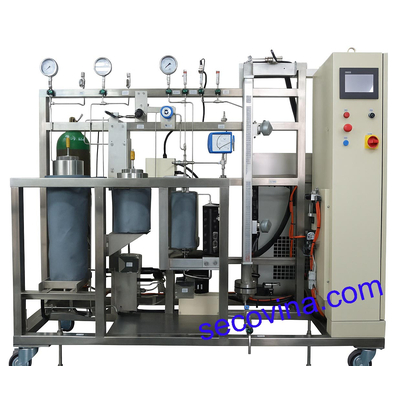
Micro Algae | Uses for Supercritical Fluids
Supercritical fluid extraction is an environmentally clean technology using carbon dioxide to isolate a variety of natural compounds from micro algae. This benign extraction process provides: - high selectivities - short extraction times - leaves no toxic solvent residues in the extract
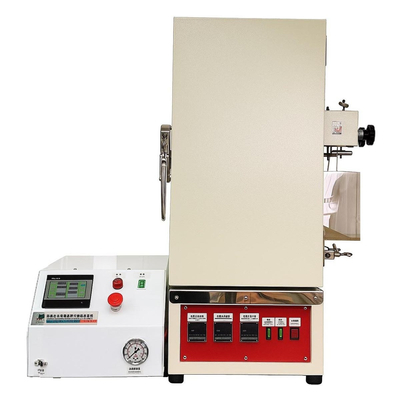
Aerogels | Uses for Supercritical Fluids
High temperature conversion of a liquid organic solvent to the supercritical state with subsequent venting Liquid CO2 displacement of an organic solvent with subsequent supercritical CO2 venting Supercritical CO2 extraction of an organic solvent at low temperatures
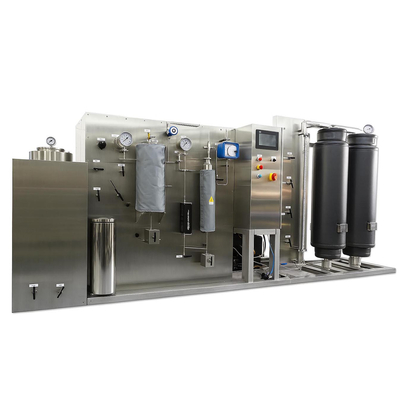
Nutraceuticals | Uses for Supercritical Fluids
Compared to traditional extraction methods, natural supercritical CO2 extraction has many benefits and is Generally Recognized As Safe (GRAS). Supercritical CO2 extraction eliminates exposure of the natural product to oxygen during the process and thus reduces oxidation of sensitive bioactive compounds. It also is a low temperature operation that does not promote thermal degradation of sensitive nutraceutical compounds . In addition, when the supercritical CO2 extract is depressurized, there are
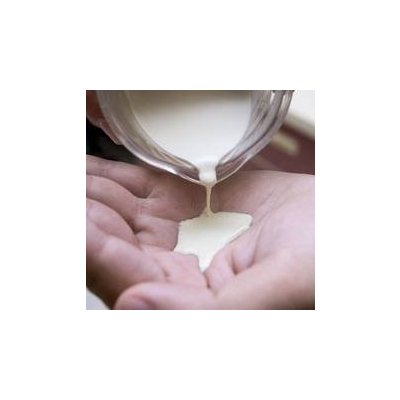
Natural rubber latex concentrate -Specifications-tcvn 6314:2013
Natural rubber latex concentrate – Centrifuged or creamed, ammonia – preserved types – Specifications (TCVN 6314:2013 - ISO 2004:2010)
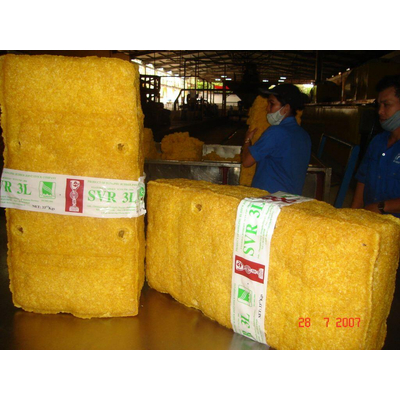
Rubber, raw natural SVR - Specifications: TCVN 3769:2016
Rubber, raw natural SVR - Specifications: TCVN 3769:2016
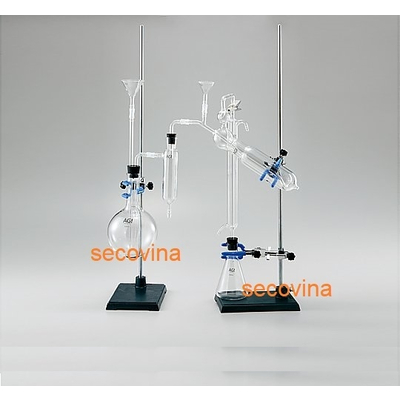
Natural rubber- Deternination of nitrogen content
Natural rubber- Deternination of nitrogen content
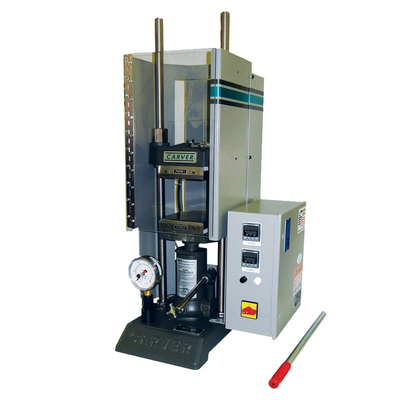
Rubber, raw natural -- Colour index test
Rubber, raw natural -- Colour index test
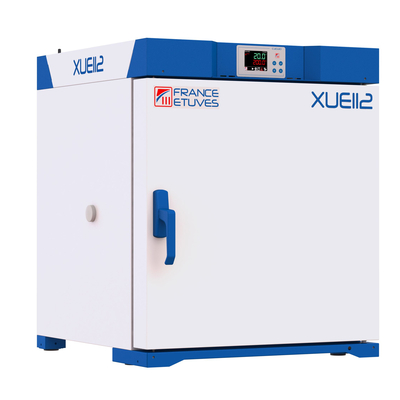
Rubber, raw - Determination of volatile matter content
TCVN 6088 Rubber, raw - Determination of volatile matter content
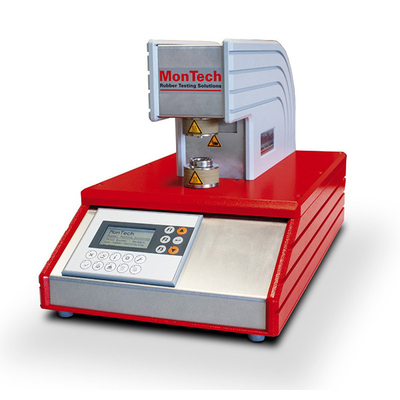
Rubber - Determination of Plasticity - Rapid-plastimeter Method
Rubber unvulcanized - Determination of Plasticity - Rapid-plastimeter Method Rubber, Raw natural - Determinaetion of Plasticity retention index (PRI)